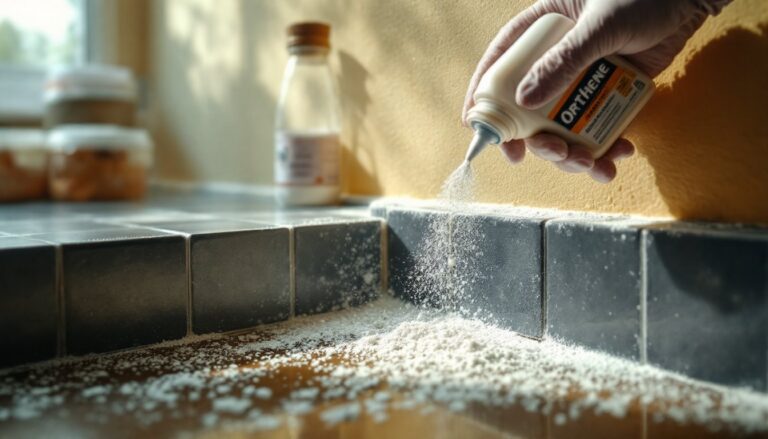
Hard water is one of those home problems most people don’t think about until they notice residue on faucets, dull hair after a shower, or spots on dishes. The culprit is dissolved minerals, primarily calcium and magnesium, that build up in pipes and appliances. A water softener is the fix, but it needs salt to work. If you own a water softener, you’ve probably stood in front of shelves of salt bags wondering which type to buy. Rock salt, solar salt, or evaporated salt, they all look similar, but they’re not created equal. Picking the wrong one can clog your softener, waste money, or leave you stuck with a system that doesn’t perform. This guide walks you through the types of water softener salts available, how to choose the right one for your setup, and how to keep your softener running smoothly without draining your wallet.
Table of Contents
ToggleKey Takeaways
- Water softener salts come in three types—rock salt, solar salt, and evaporated salt—each with different purity levels, costs, and maintenance requirements.
- Choose water softener salt based on your water hardness level: rock salt for soft water (0–60 PPM), solar salt for moderate hardness (61–120 PPM), and evaporated salt for very hard water (over 120 PPM).
- Solar salt offers the best balance for most homeowners, costing $7–$10 per bag with minimal sediment buildup and minimal brine tank cleaning.
- Regular maintenance—refilling when salt drops to a quarter tank and cleaning the brine tank every 3–6 months—prevents poor water softening performance and extends system life.
- Annual water softener salt costs range from $45–$120 depending on the type, but higher-purity salts can save money long-term through reduced maintenance and efficient regeneration.
What Are Water Softener Salts and Why Your Home Needs Them
Water softeners rely on a process called ion exchange to remove hard minerals from your water supply. Inside the tank are small resin beads coated with sodium ions. When hard water passes through, calcium and magnesium ions stick to the beads and swap places with sodium, essentially trading hardness minerals for salt. Over time, the resin beads get saturated with calcium and magnesium and need to be “recharged.” That’s where salt comes in. During the regeneration cycle, a brine solution (salt mixed with water) flushes through the resin, stripping off the minerals and restoring the beads’ ability to soften water.
According to how water softeners function through ion-exchange, this mineral removal process relies entirely on sodium-based salt to work. Without regular salt replenishment, your water softener becomes ineffective, you’ll start noticing scale buildup and hard water symptoms again. The type of salt you choose affects how often you need to refill, how much sediment clogs your system, and eventually your maintenance headaches and operating costs. Most homeowners need to refill their salt tank every 2–3 months, depending on water hardness, household size, and water usage.
Types of Water Softener Salts: Comparing Your Options
Rock Salt vs. Solar Salt vs. Evaporated Salt
Rock salt is mined directly from underground salt deposits, making it the cheapest option, usually $4–$6 per 40-pound bag. The trade-off: it contains more insoluble minerals (calcium sulfate, limestone) that don’t dissolve in water. These impurities accumulate as sludge at the bottom of your brine tank, requiring more frequent tank cleaning. Rock salt is best for homes with softer water (lower hardness levels) where regeneration happens less often, so sediment buildup stays manageable.
Solar salt is produced by evaporating seawater or salt brine in large ponds under the sun. It’s about 99.5% pure sodium chloride and costs $7–$10 per bag, roughly double rock salt. Because it dissolves cleanly, you’ll go longer between brine tank cleanings and won’t deal with stubborn sludge. Solar salt is the most common choice for residential water softeners, especially in homes with moderate to high water hardness.
Evaporated salt is mined rock salt that’s been further processed through heating and refinement, leaving it 99.9% pure. It’s the priciest at $10–$15 per bag but the cleanest. Evaporated salt produces almost no brine tank sediment and regenerates most efficiently, so you may stretch the time between refills slightly longer. According to homeowner maintenance checklists from Today’s Homeowner, evaporated salt is worth the upfront cost if your water hardness is very high or if you want to minimize maintenance.
Here’s a quick comparison:
- Rock Salt: Cheapest, highest sediment, best for low hardness
- Solar Salt: Mid-price, minimal sediment, ideal for most homes
- Evaporated Salt: Most expensive, virtually no sediment, best for high hardness or busy schedules
How to Choose the Best Salt for Your Water Softener
Start by checking your water softener’s manual or the manufacturer’s website to confirm which salt types it’s approved for. Most residential systems handle all three, but older or specialized models may specify solar or evaporated salt only.
Next, know your water hardness level. If you haven’t tested it, you can grab an inexpensive hardness test strip from a hardware store or request a professional water analysis (often free from local water treatment suppliers). Water hardness is measured in grains per gallon (GPG) or parts per million (PPM). For perspective:
- Soft to slightly hard (0–60 PPM): Rock salt works fine and keeps costs low.
- Moderately hard (61–120 PPM): Solar salt strikes the best balance between cost and cleaning convenience.
- Very hard (over 120 PPM): Evaporated salt minimizes regeneration frequency and sludge buildup.
Consider your schedule and tolerance for maintenance. If you’re willing to vacuum out brine tank sludge yearly, rock salt saves money. If you’d rather refill and forget, solar or evaporated salt reduces chores. Also think about space, rock salt bags are heavier and bulkier per ounce of usable salt, so if storage is tight, the more compact solar or evaporated options make sense.
One overlooked factor: check whether your water softener uses a timer or a meter. Metered systems regenerate based on actual water usage, while timer systems regenerate on a fixed schedule. Metered systems are more forgiving with cheaper, lower-purity salts because they regenerate more frequently in smaller batches. Timer systems benefit from higher-purity salt that dissolves completely.
Maintenance Tips and Cost Considerations
Refill your salt tank before it empties completely, running a softener on residual salt produces weak brine and poor regeneration. Most people refill when the salt level drops to about a quarter tank. Store salt in a cool, dry place: excessive humidity causes bridging (a hollow dome forming inside the bag), where salt doesn’t flow into the tank even though there’s plenty left.
Every 3–6 months (more often if using rock salt), inspect your brine tank for sediment buildup. If there’s a layer of muck at the bottom, drain and rinse the tank with a wet/dry vacuum or hose. For rock salt users, this might mean annual cleanings: for evaporated salt users, every 2–3 years is typical.
Cost per year varies by household. Average usage is about 300–400 pounds of salt annually. Using solar salt at roughly $8 per 40-pound bag, you’re spending around $60–$80 yearly on salt alone. Rock salt might run $45–$60, but add maintenance costs and potential repairs from sludge buildup. Evaporated salt could hit $90–$120 annually but saves water and energy during regeneration cycles. According to family handyman guidance on water softener care, the type you choose often pays for itself over time through reduced maintenance headaches.
Buying bulk (seasonal sales in winter, supplier contracts) can trim costs 10–15%. Some water treatment suppliers will deliver larger quantities, 25 or 50-pound bags by the case, at a slight per-pound discount. Check local availability: rural areas may have fewer options and higher delivery fees.
Conclusion
Water softener salt is a simple consumable that plays a huge role in your system’s longevity and efficiency. Rock salt saves upfront money but demands more maintenance: solar salt offers the sweet spot for most households: evaporated salt is the low-maintenance, high-purity choice for hard water or busy homeowners. Match your choice to your water hardness, household schedule, and budget. Pick the right salt, keep your brine tank clean, and your water softener will keep delivering soft water without drama for years to come.